





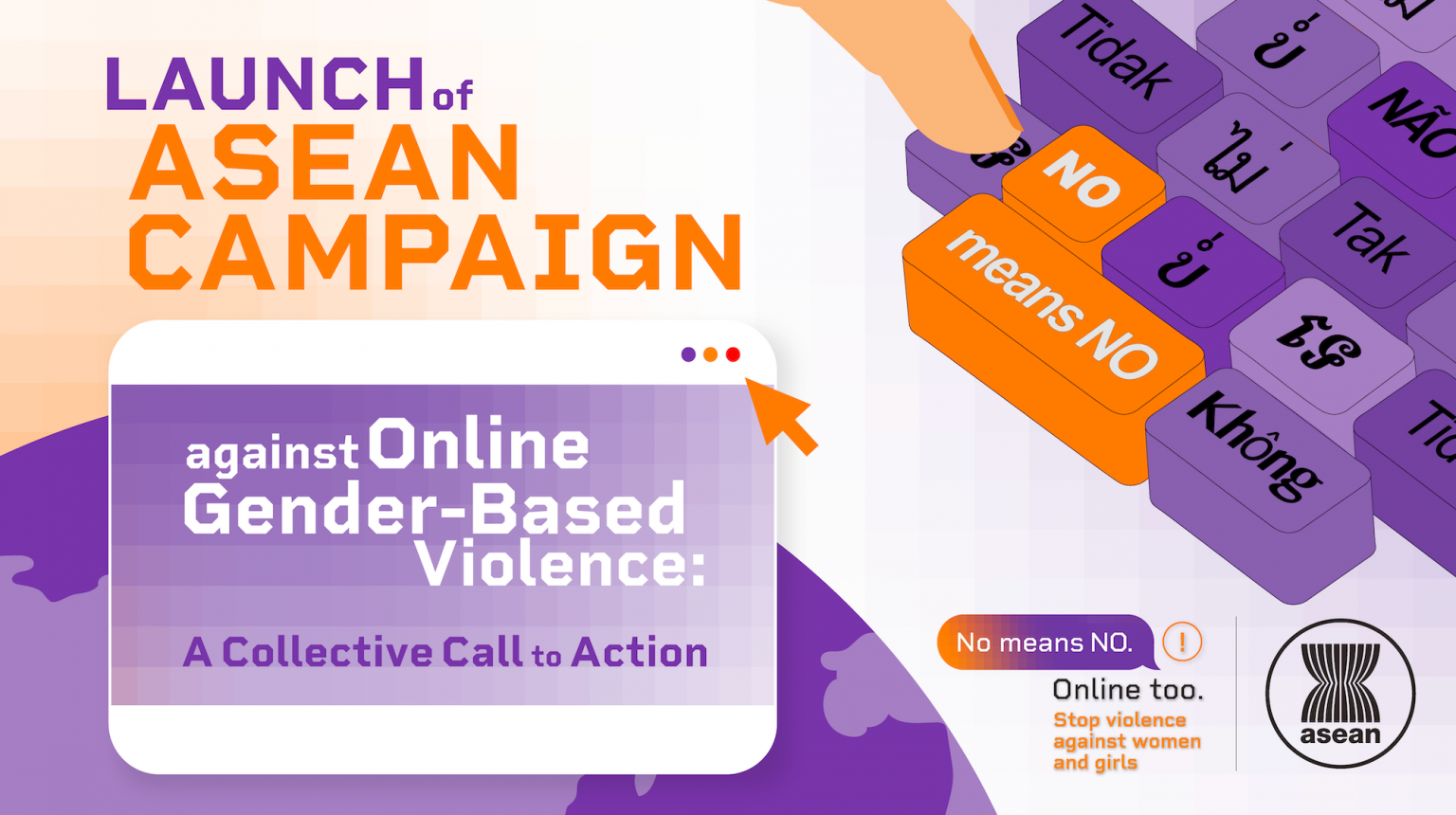

BANGKOK, 3 December 2025 – As digital technologies become increasingly embedded in everyday life, online violence against women and girls is one of the fastest-growing forms of Gender-based violence (GBV) across Southeast Asia. To address this urgent and escalating challenge, the ASEAN Commission on the Promotion and Protection of the Rights of Women and Children (ACWC), under the leadership of Lao PDR and Thailand, and ASEAN Committee on Women (ACW) Thailand, today launched the ASEAN Campaign Against Online Gender-Based Violence: “A Collective Call to Action – No Means No. Online Too.”
In observance of the 16 Days of Activism this year, the launch event, organised in partnership with the United Nations Population Fund (UNFPA) Asia-Pacific Regional Office (APRO), brought together over 150 high-level government representatives, regional sectoral bodies, youth organisations, civil society, academia, the private sector, and digital safety advocates to build awareness about this emerging form of violence and mobilise a stronger, coordinated response to address it.
Online GBV—including cyber-harassment, online stalking, gendered disinformation, non-consensual sharing of intimate images, and digital coercion—is increasingly affecting women, girls and other persons in vulnerable situations in ASEAN. Studies show that between 16 per cent-58 per cent of women have experienced online GBV, while approximately 85 per cent have witnessed such abuse. These violations often cause long-term psychological, social, and economic harm, and mirror the broader continuum of offline violence.
A milestone in ASEAN’s regional response
The campaign realises ASEAN’s commitments under the Regional Plan of Action on the Elimination of Violence Against Women (ASEAN RPA on EVAW) resulting from a multi-year ASEAN effort grounded in evidence and regional consultation. In October 2024, ACWC and ACW convened a regional consultation in Bangkok, supported by UNFPA APRO, to discuss rising levels of online GBV and co-design a comprehensive communication strategy.
“Online violence erodes the safety, dignity, and participation of women and girls in digital spaces. It is part of the same continuum as offline violence, and it reflects the same power imbalances and harmful social norms that we work to address every day.”
— Soukphaphone Phanit, Representative of Lao PDR to ACWC- for Women’s Rights, and campaign co-champion
Thailand’s national launch: leading by example
The event also marks the national launch of the campaign in Thailand, showcasing how ASEAN Member States (AMS) can adapt and translate the regional framework to their local contexts. Thailand’s launch featured a panel discussion where panelists shared promising practices and recommended actions to prevent online GBV, while emphasising the importance of safe digital spaces.
“Thailand is proud to stand with ASEAN in taking this message forward. Localising the campaign is essential to ensuring that our communities, families, and young people can speak up and take action against online harm.”
— Dr. Ratchada Jayagupta, Representative of Thailand to ACWC-for Women’s Rights, and campaign co-champion
Advancing a safer digital future for women and girls
The “No Means No. Online Too.” campaign provides a suite of communication materials in English and national languages—including videos, social media cards, and easy-to-share visuals—to support AMS in raising awareness, promoting digital safety, and empowering survivors to seek help. The campaign also underscores the importance of bystander intervention, responsible online behavior, and multi-sectoral collaboration. Case management for online violence will continue to be a challenge for many AMS: there is a need to coordinate and create interlinkages between Ministries of Communication, Technology, the Police, Health and the Social Workforce to ensure that we remain survivor-centered in our collective response.
“As ASEAN prioritises digitalisation and the use of AI for economic growth, it is critical that we promote the protection of women and children in this space, because our data shows that online abuse and harassment could easily escalate to offline violence, such as what is currently happening with 70% of girls under the age of 18 in the Philippines — [Pressia Arifin-Cabo, Senior Principal Liaison for ASEAN and Policy and Strategic Partnership Adviser, UNFPA APRO]
The campaign reflects ASEAN’s commitment to fostering safe, inclusive, and empowering digital environments for all women and girls, and UNFPA’s ongoing support to strengthen regional cooperation, policy dialogue, and survivor-centered responses to online and offline violence.
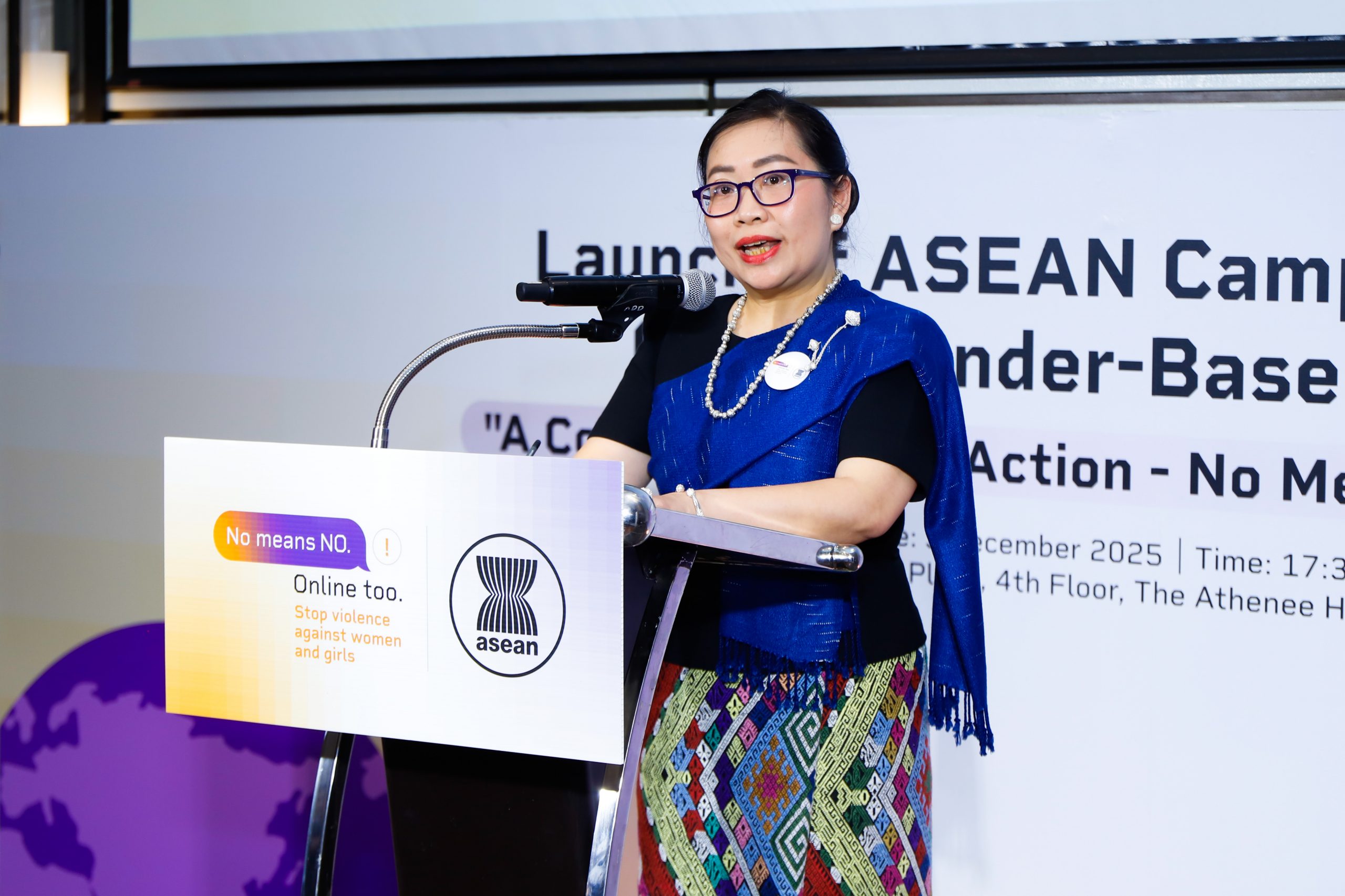
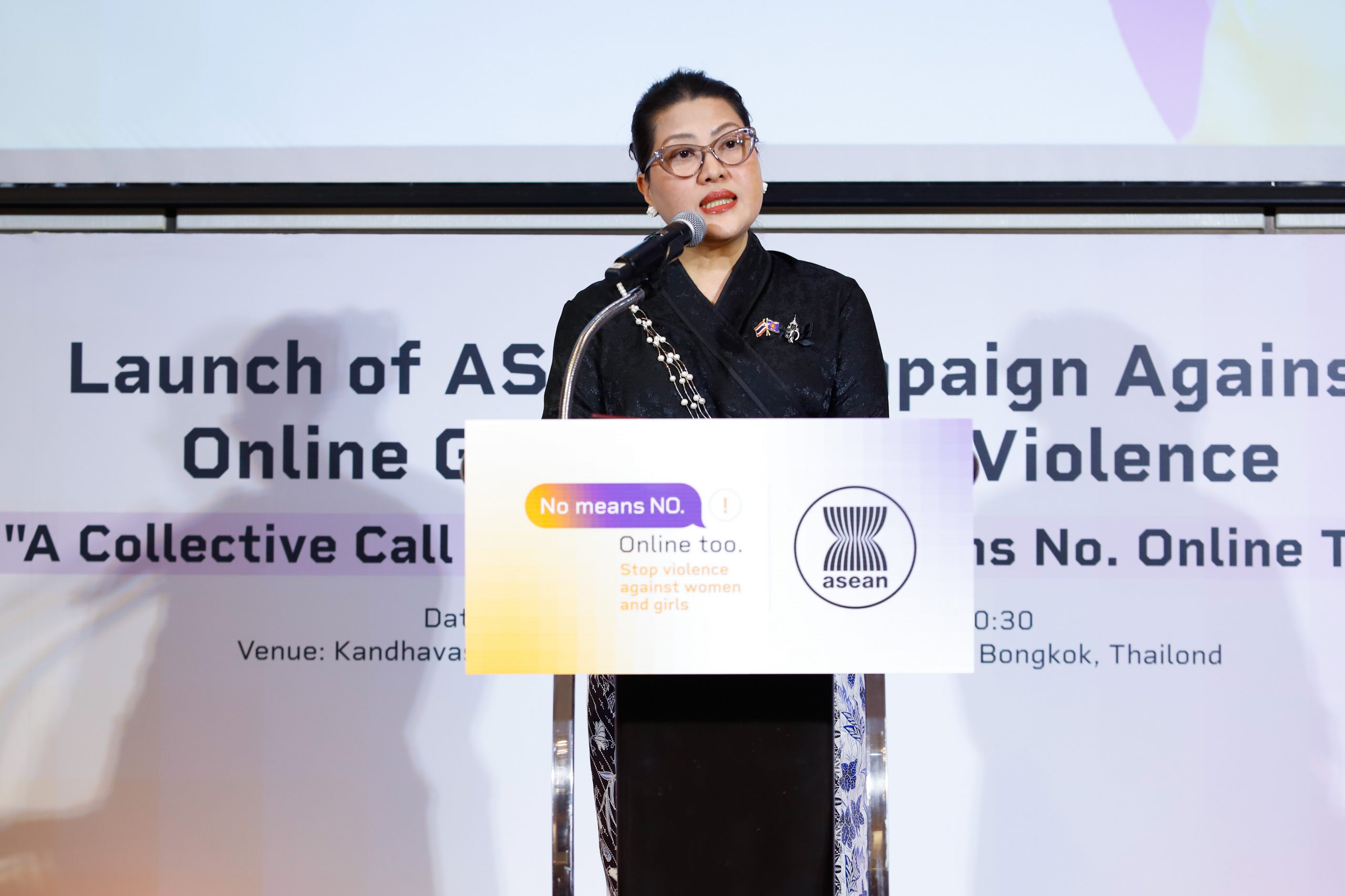
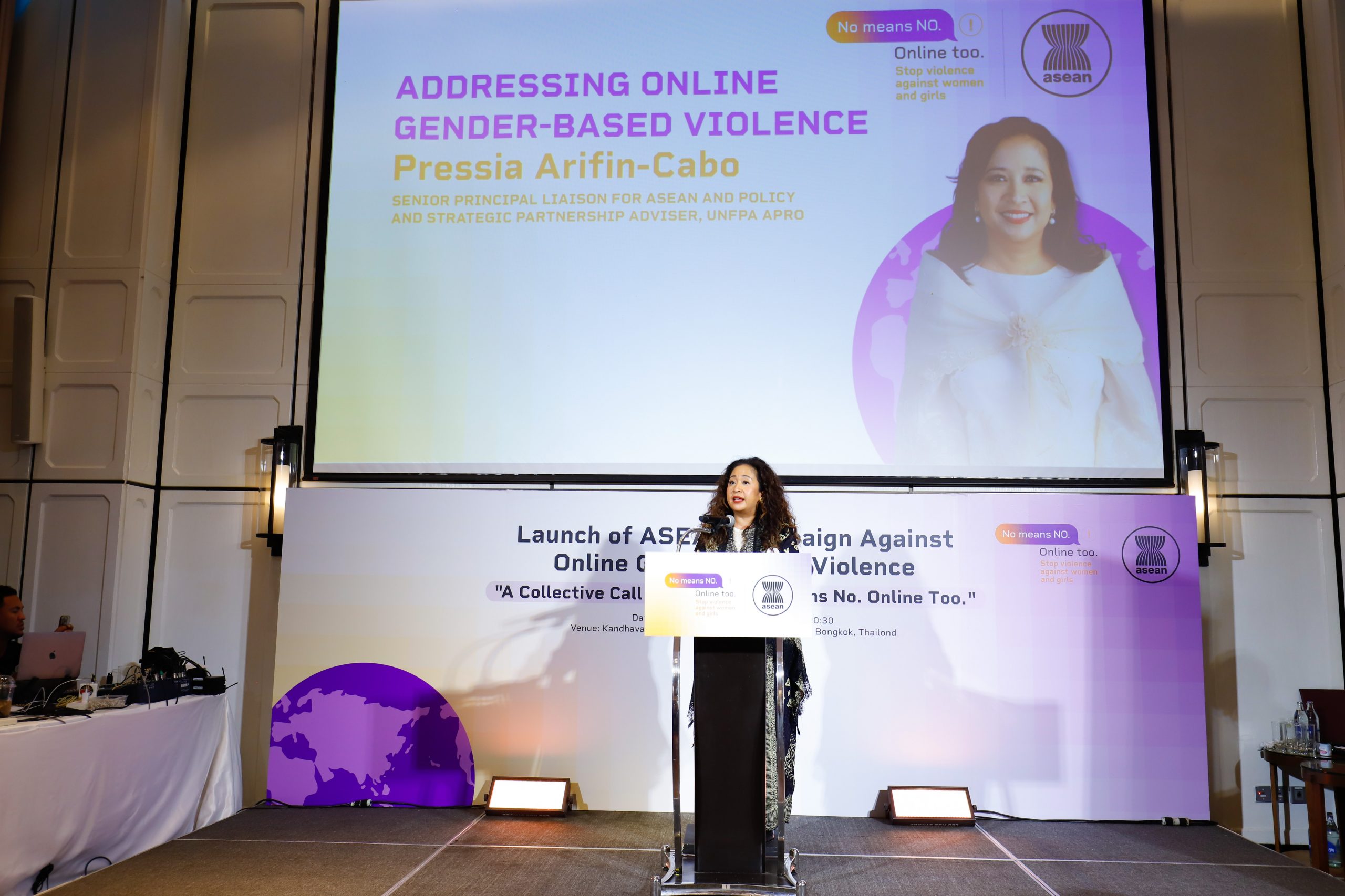
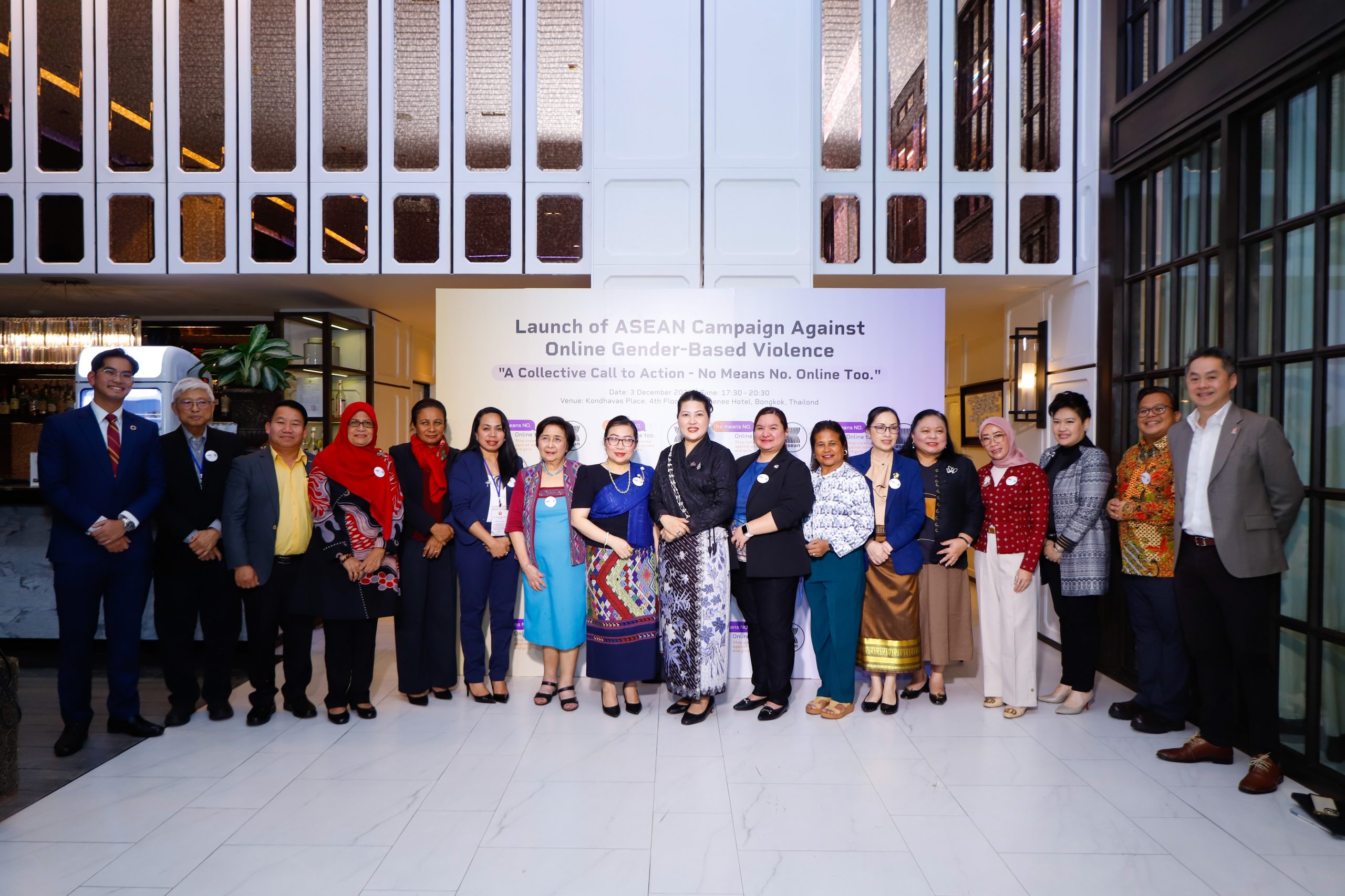
Photo credit: UNFPA
