





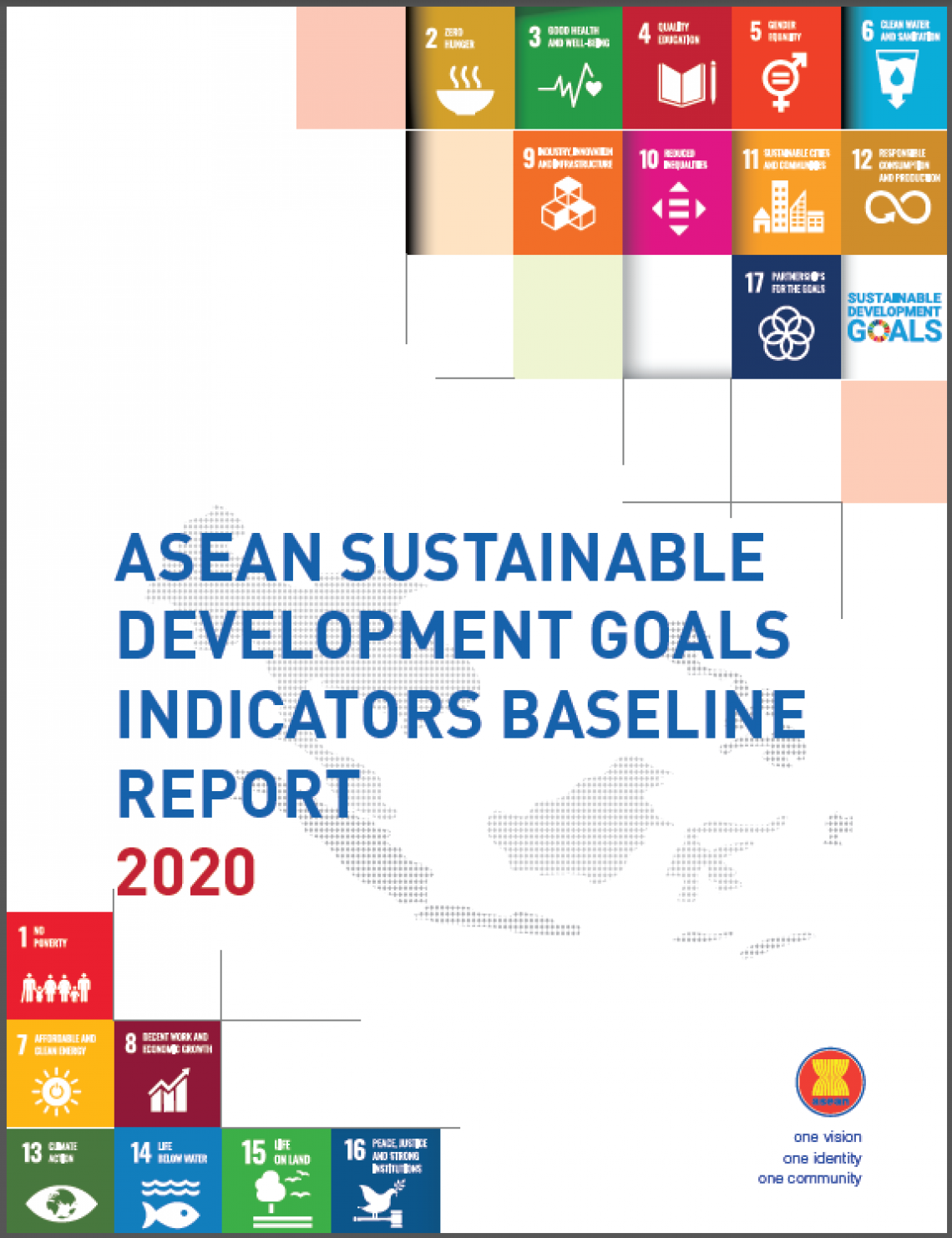
HA NOI, 23 October 2020 – The General Statistics Office (GSO) Viet Nam, in collaboration with ASEANstats and supported by the ARISE Plus Project, convened in a virtual conference to launch the ASEAN SDG Indicators Baseline Report 2020 and the ASEAN Online Database for SDG Indicators.
Director General of GSO Viet Nam Dr. Nguyen Thi Huong opened the event, along with Ambassador of the European Union to ASEAN Igor Driesmans and Director of the ASEAN Integration Monitoring Directorate of the ASEAN Secretariat Julia Tijaja who all gave their opening remarks.
The ASEAN Community Statistical System (ACSS) Committee, ACSS Sub-Committee on Planning and Coordination (SCPC), Working Group on SDG Indicators (WGSDGI) attended the event. Representatives from relevant ASEAN Bodies, relevant divisions of the ASEAN Secretariat as well as Viet Nam’s ministries and agencies, international organisations and the media were also present.
The ASEAN SDG Indicators Baseline Report 2020 aims to establish the baseline information of the SDG indicators being tracked and measured in the region. It is also meant to aid future monitoring of the progress in achieving the global agenda as well as to support relevant policy making at both the national and regional levels.
The report presents data for ASEAN and ASEAN Member States (AMS), as gathered and compiled by the National Statistical Systems and the National Statistics Offices in the region, from 2016 – 2018. It also includes the “ASEAN SDG Indicators Baseline Dashboard” which features SDG key areas/topics and findings and the “ASEAN SDG Indicators Summary Table, 2016-2018” summarising the ASEAN aggregates for each SDG indicator covered in the report.
The ASEAN Online Database for SDG Indicators hosts more SDG indicators, along with the metadata for each SDG indicator in AMS and features user-friendly tools to facilitate users in exploring the database and accessing the data.
ACSS continues to strengthen collaboration in the provision of data on SDG indicators, through the WGSDGI.
The ASEAN SDG Indicators Baseline Report and the ASEAN Online Database for SDG Indicators are ACSS’ efforts in providing relevant, timely and comparable statistics to support evidence-based policy making.
ACSS conveyed its appreciation to the ASEAN Regional Integration Support by the European Union (ARISE) Plus Project for their support in improving statistical capacity in AMS and the ASEAN Secretariat.
The ASEAN SDG Indicators Baseline Report 2020 is available at https://www.aseanstats.org/publication/asean-sdg-report-2020/
The Online Database for ASEAN SDG Indicators is accessible at https://data.aseanstats.org/sdg
ASEAN launches SDG Indicators Baseline Report, Online Database for SDG Indicators
Share This On
Share on facebook
Share on twitter
Share on linkedin
Share on whatsapp
Share on google
