

The State of Higher Education in Southeast Asia
Abstract
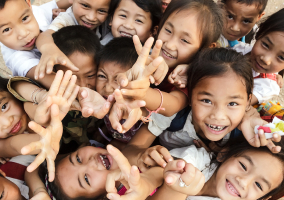
Southeast Asia, a region composed of 11 nations, is among the most diverse in the world. It consists of ten countries from the Association of Southeast Asian Nations (ASEAN) and Timor Leste, the lone non-Member State in the process of accession. In 2020, the total estimated population of the ASEAN stood at 661,826,000 of which 45% live in urban centres. The general population is considered young with 51% in their productive years (20 to 54 years age group) and a third are aged below 20 years. The region comprises of over a thousand ethno-linguistic groups and is home to peoples of various religious backgrounds including Christianity, Islam, and Buddhism.
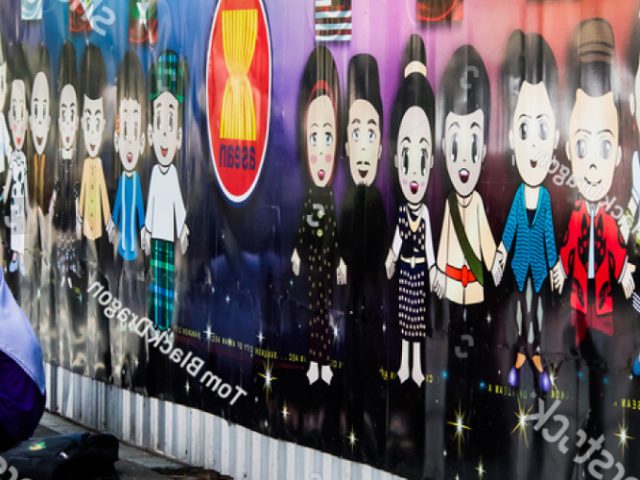
With a combined economic output of close to USD 3 trillion in 2020, ASEAN Member States are spread across three levels of economic development based on the World Bank country income classification1 . On one end of the spectrum, there are the high-income economies of Singapore and Brunei Darussalam. In the upper-middle-level income economies are Malaysia and Thailand. Meanwhile Indonesia, the Philippines, Viet Nam, Lao PDR, Cambodia, and Myanmar are considered lower-middle-income economies. For all its diversity, the ASEAN has been moving towards social and economic integration. It envisions itself as an inclusive, harmonious and equitable community with a single market that is fully integrated into the global economy.
More Details
| Author | |
| Barcode | <000000011276> |
| Edition | |
| Place | |
| Publisher | |
| Year | |
| Call Number | |
| ISBN | |
| Language | English |
| Content Type | Text Book |
| Media Type | printed |
| Number of copies |

