




Overview
Women make up slightly over half the population in ASEAN and significant progress has been made for women and girls in the region especially on access to education, participation in the labour force, increased quality or reproductive health and widened space to express their voices and exercise their agencies . However, numerous challenges impeding the realization of full potentials of women and girls remain.
Adolescent girls and young women in the region continue to face challenges such as different types of violence and discrimination including child, early and forced marriage (CEFM), limited access to support such as reproductive health education and services, and access to opportunities. As women enter the work force, most of them are found in the informal sector with minimal access to social protection . An increasing number of women work in the garments and textile industry, as well as tourism and creative industries, which tends to reinforce gender stereotypes . In both formal and informal sectors, women earn less than their male counterparts, and those in the corporate sector have limited opportunities to break the glass ceiling and occupy senior management positions. Across the formal and informal sectors, and the urban and rural continuum, women in the region continue to fight violence and discrimination, to advocate for the recognisation, redistribution and remuneration for unpaid care and domestic work, and realise their rights towards gender equality.
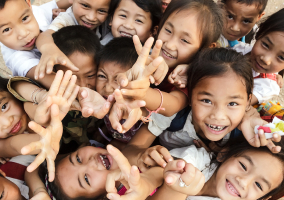
The young population in the region age 18 and below is increasingly engaged in the realisation of their human rights amidst a number of existing and emerging threats. Across the region, children’s access to the internet creates opportunities but also raises concerns regarding online safety, including exploitation and abuse as well as breaches of personal privacy. Children are increasingly affected by the climate crisis, which exacerbates existing vulnerabilities and disparities. Voluntary and forced migration also significantly impacted children and their families. And the incidence of different forms of violence continue to negatively affect children in the region at the detriment of their potential contributions to ASEAN Community Building.
- ASEAN Statistical Yearbook 2018
- ASEAN Socio-Cultural Community Blueprint 2025 (2016)
- Regional Study on Informal Employment Statistics to Support Decent Work Promotion in ASEAN (2019)
- Projected Gender Impact of The ASEAN Economic Community (2016)
- Ending Violance Against Children in ASEAN Member States: Mid-term Review of Priority Areas under the ASEAN Regional Plan of Action on the Elimination of Violance Against Children 2016-2020
